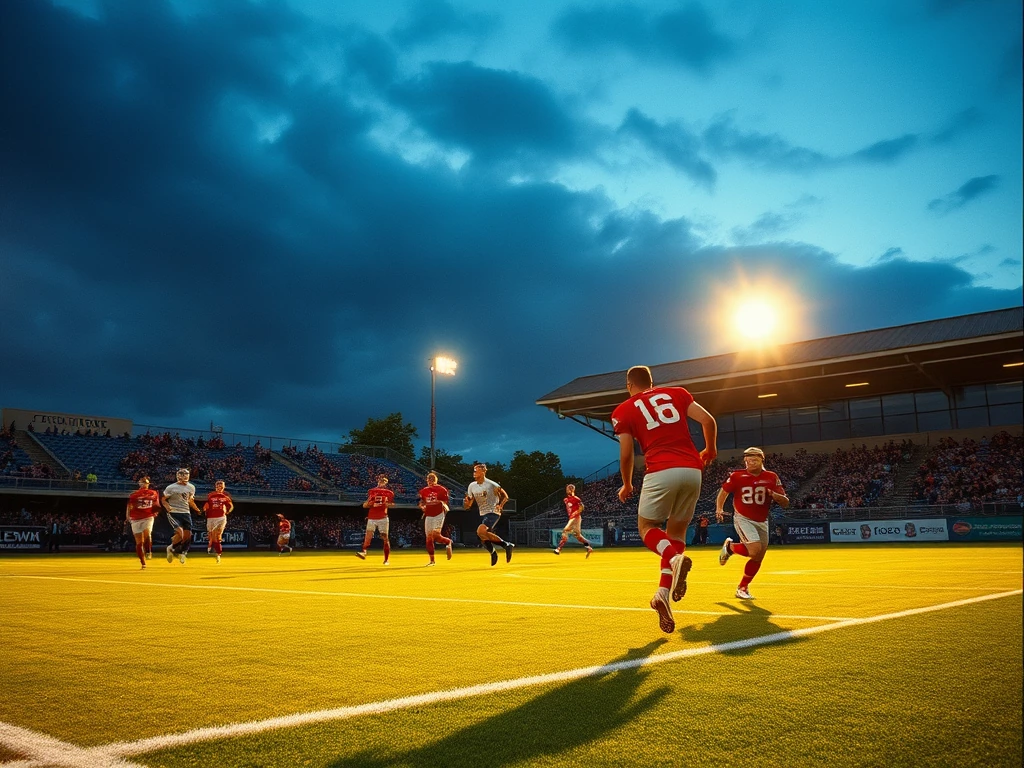
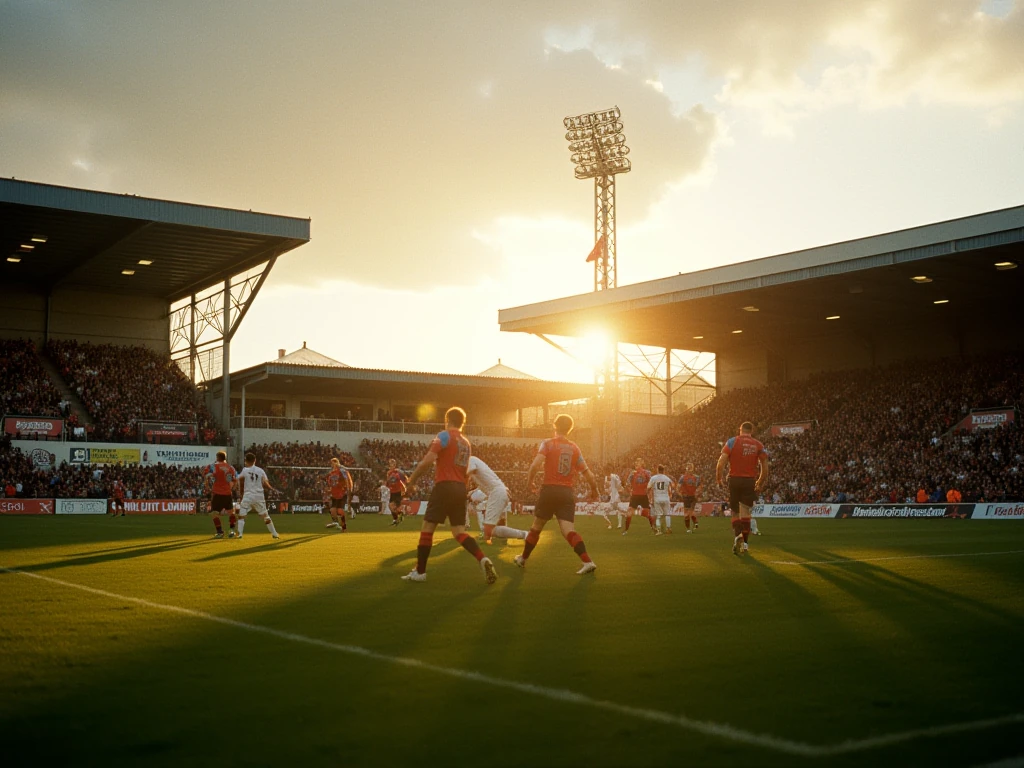
The air around Holker Street, usually buzzing with the loyal support of the Bluebirds faithful, has been replaced by a palpable sense of disappointment and introspection. Barrow AFC’s return to the National League was confirmed on a nail-biting, yet ultimately fruitless, final day of the League Two season, culminating in a disheartening defeat to Newport County. In the immediate aftermath, the club’s ownership group took the unprecedented step of issuing a public apology to the fans, a stark admission of collective failure that underscores the gravity of the situation. This sentiment resonates deeply within a community that has followed its team through thick and thin, experiencing the highs of promotion only to now confront the bitter taste of a drop down a division. This moment feels like a significant crossroads for the Cumbrian club, prompting urgent questions about strategy, leadership, and the immediate path forward.
The Bluebirds' precarious position heading into the final fixture was a culmination of a season fraught with inconsistency, missed opportunities, and a challenging run of form during the campaign's business end. Having battled valiantly to climb out of the National League just a few seasons prior, the dream of establishing a foothold in the Football League has, for now, been put on hold. Key periods saw the side struggle to convert draws into wins, particularly at home, leading to a points tally that kept them entrenched in the relegation dogfight. Injuries to influential players at critical junctures, coupled with a lack of cutting edge in front of goal, meant the cushion once achievable slowly eroded. Pressure mounted with each passing week, making every fixture a cup final for a squad grappling with expectation and the ever-looming threat of the trapdoor. While there were flashes of brilliance, consistency at this level proved elusive.
The final day trip to South Wales to face Newport County was always going to be an emotionally charged affair, with Barrow's fate hanging by a thread, contingent not only on their own performance but also on results elsewhere. The atmosphere was thick with tension as the Holker Street faithful, having travelled in significant numbers, urged their team on, clinging to any glimmer of hope. News from other grounds filtered through, creating a rollercoaster of emotions. For spells, it seemed possible, with the team pushing forward and creating chances. However, as the clock wound down, the inevitable became clearer. A goal conceded, combined with unfavourable outcomes in other decisive matches, sealed Barrow’s fate. The final whistle blew, not just on the game, but on their League Two status, plunging the club, players, and supporters into profound disappointment. It was a day where courage and effort were not enough to overcome the season-long deficiencies that had led them to this dire precipice. The collective sigh across the terraces spoke volumes - sadness, frustration, and a dawning realisation of the immense task ahead.
The unusual and direct apology from the club’s owners, released shortly after relegation, speaks volumes about the dismay within the hierarchy. It wasn't a boilerplate statement; it conveyed a genuine sense of accountability and shared pain. Such an admission is rare in modern football, often reserved for egregious off-field conduct rather than sporting results. It signals that the owners understand the depth of disappointment felt by every supporter who has invested time, money, and emotion into the club. For many, it represents a recognition that things have not been good enough, from top to bottom. It implies a commitment to thoroughly review the entire operation, from recruitment strategies to managerial decisions, ensuring mistakes are identified and rectified. This public facing of the music sets an honest, albeit painful, tone for the challenging period now ahead.
For the Holker Street faithful, the prospect of returning to the National League is a bitter pill to swallow. Having enjoyed the vibrancy and increased profile Football League status brings, the return to non-league football presents significant challenges. Financially, the step down will undoubtedly impact revenue streams, affecting everything from sponsorship deals to broadcast money, necessitating a careful review of the club's economic model. Attracting and retaining quality players will also become more arduous, as the allure of League Two football is often a key recruitment factor. The psychological impact on the squad cannot be underestimated; rebuilding confidence and fostering a winning mentality after such a setback will be paramount. However, Barrow fans are renowned for their resilience and unwavering loyalty. Many have seen the club navigate far darker waters, and this shared history often galvanises the support base during adversity. The challenge now is for the club to provide a clear, coherent vision for the future, inspiring renewed hope and belief that this setback is merely a temporary detour on the road back to the Football League.
Looking ahead, the immediate priority must be a comprehensive review of the entire footballing operation. The gaffer's position, player contracts, and overall squad composition will all come under intense scrutiny during the close season. The lessons from this past campaign must be absorbed and acted upon swiftly: what worked, what didn't, and why? The recruitment policy will be critical; signing players with the right mentality and skill set to thrive in the demanding National League environment will be essential. This isn't just about bringing in new faces, but about creating a cohesive unit that understands the fight ahead. Pre-season will be about forging a new identity, instilling a renewed sense of purpose, and preparing for an immediate push to bounce back. The ultimate goal, undoubtedly, will be to make this stay in non-league football as short as possible, turning this disappointment into a springboard for future success.
The road back to League Two will be arduous, but the spirit of Barrow AFC and its supporters is often forged in adversity. While this moment is undeniably painful, it presents an opportunity for a reset, a chance to rebuild stronger and smarter. The club must now channel collective disappointment into a determined resolve, ensuring the next chapter is one of resilience and strategic growth that the Holker Street faithful deserve. The owners' apology is a first step; the true measure of their commitment will be seen in the actions taken and the vision articulated in the coming weeks and months.