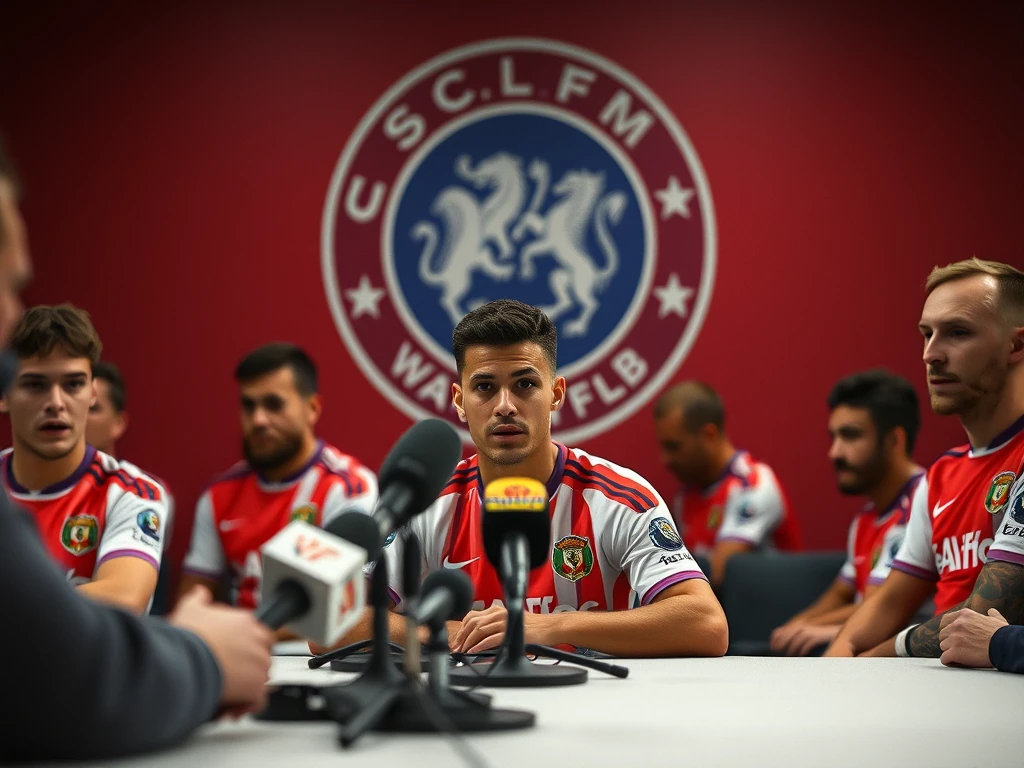

Last Saturday's match against Carlisle United showcased Barrow's evolving tactical approach this season. Under manager Paul Cox, the Bluebirds are adopting a more flexible formation that adapts to different opponents. This has raised eyebrows among both fans and analysts as they seek to identify the style that can lead to promotion.
A notable shift has been the transition from a rigid 4-4-2 to a more fluid 4-2-3-1 system. This allows players like I. Fletcher and T. Barkhuizen to occupy more advanced roles, facilitating better attacking options. Notably, with K. Barrett's solid goalkeeping, the defense has more confidence to push forward when needed. The midfielders are tasked with not only breaking up opposition play but also transitioning quickly into attack, a strategy that paid dividends on match day.
Statistically, Barrow's possession rates have improved significantly this season. They are averaging 55% possession per game, compared to last season's 48%. This has translated to more shots on goal, with T. Barkhuizen leading the charge. His pace and technical ability make him a constant threat on the flanks, while supports from J. Earing add another dimension to their attacking play.
The tactical shift requires excellent communication and understanding among players. As we witness different formations deployed against opponents, it's clear that Cox is preparing the team for varying challenges in League Two. The real test will come as the season progresses, especially in crucial encounters against fellow promotion contenders.
Barrow's journey is still unfolding, but this tactical evolution offers a glimpse into their ambitions. Fans are hopeful that these changes will yield favorable results and bring the Bluebirds closer to promotion aspirations.